If you only have time for one, the short answer is that Herculaneum is the smaller, easier visit, and Pompeii is far bigger. Both were buried by the eruption of Vesuvius in AD 79 and both are on the same Circumvesuviana line from Naples, so you can do both on separate days or in one long day.
Book your visit
Herculaneum: Entry Ticket with Audio Guide
4.5· 1,582 reviews
from €19.50
Buy tickets →How do they compare?
| Herculaneum | Pompeii | |
|---|---|---|
| Size | The ancient town covers about 20 hectares, of which more than 4 are visible | Much larger |
| Visit time | About 2 to 3 hours (our estimate) | A long visit, plan more time |
| Official ticket | 16 euros | Check the Pompeii official site |
| Train stop | Ercolano Scavi | Pompei Scavi - Villa dei Misteri |
We describe Pompeii only in general terms because this guide is about Herculaneum: check the official Pompeii site for its hours and prices.
What makes Herculaneum different?
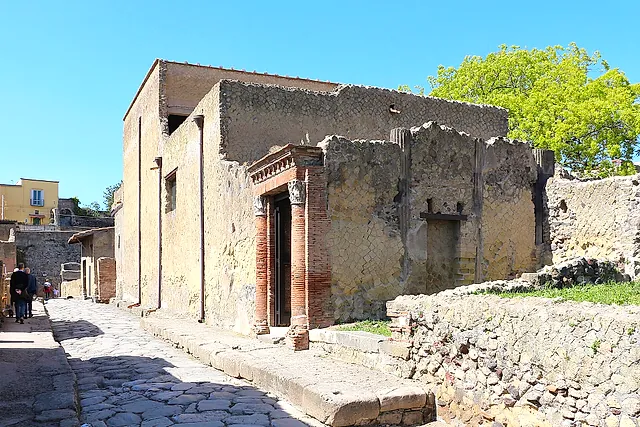
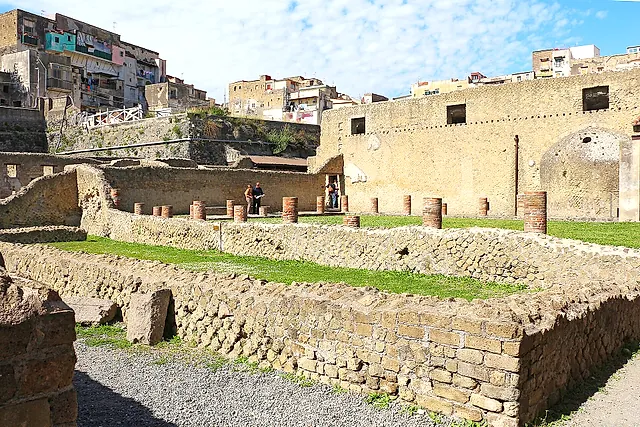
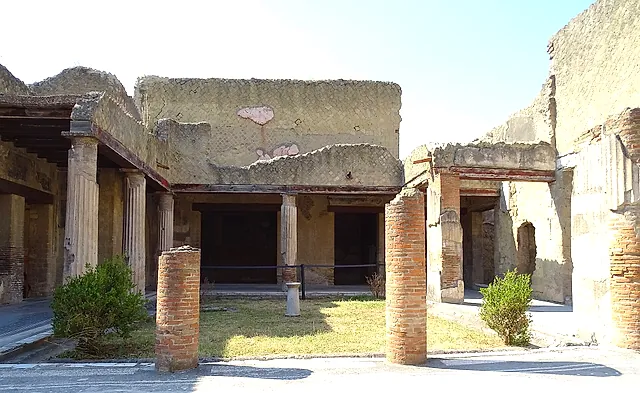
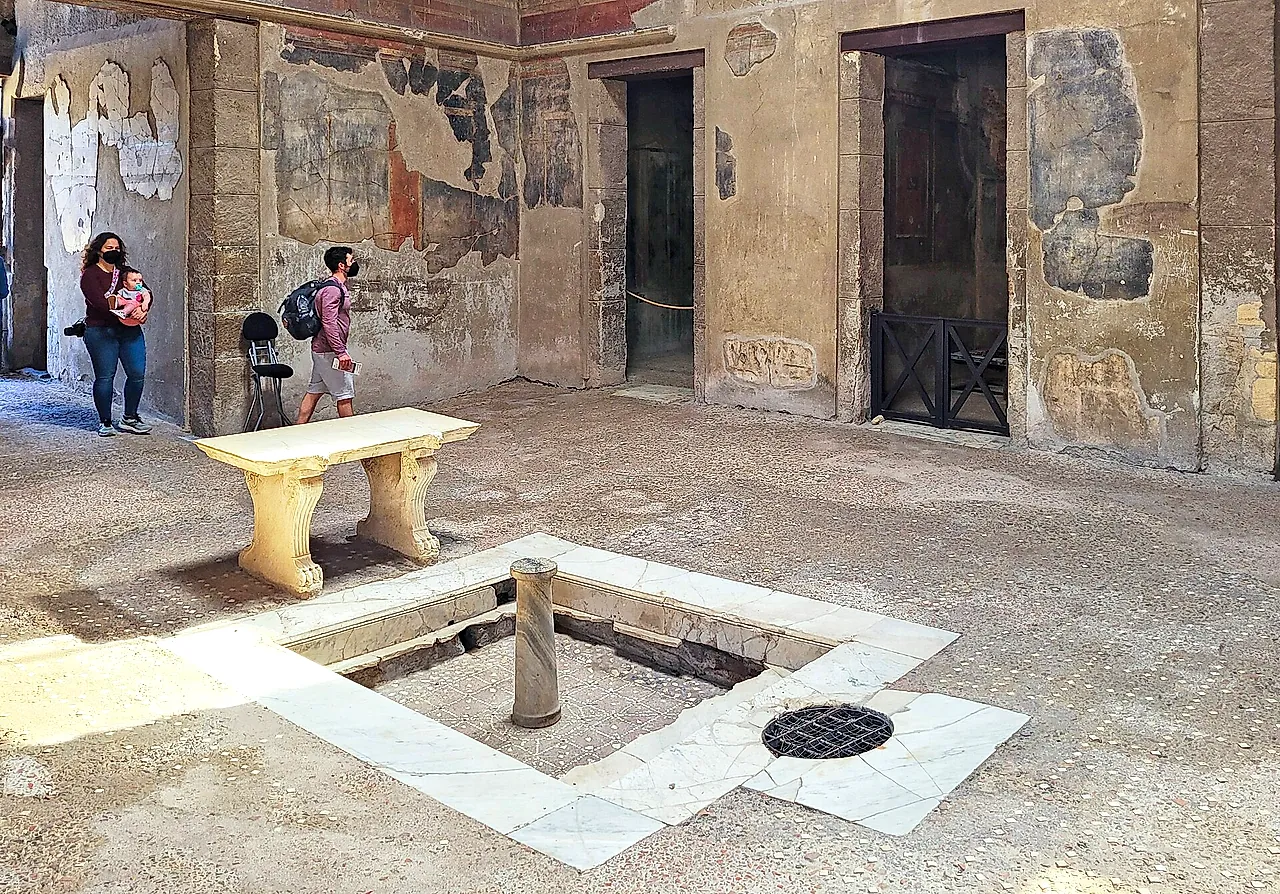
According to the park, the ancient town was buried by volcanic material and the modern town. Because the visible area is only a little over 4 hectares, the visit is compact and manageable. The park also has the ancient beach with its arched boathouses, where about 300 skeletons were found in 1980. Our what to see guide and the boathouses article cover the highlights.
Can I do both in one day?
It is possible on the same line, but it makes a long day. The two parks have their own opening hours and last entry times, which change with the season, so check them before you plan. Herculaneum’s last entry is 15:30 in winter and 18:00 in summer. See our opening hours page.
What about tickets?
The official Herculaneum ticket page does not list a combined ticket with Pompeii. Third-party options exist: on Tiqets there is a guided combination of Pompeii and Herculaneum with fast-track entry, and a Vesuvius, Herculaneum and Pompeii pass. These are separate products, so read what each includes. Our ticket guide lists the official prices.